Why Is Moisture Control Important In Your Attic?
Excess moisture in your attic can lead to serious problems that compromise your home’s structural integrity, energy efficiency, and indoor air quality. Proper moisture control helps prevent costly damage and ensures a healthier living environment. Here’s why it’s essential:

Mold and Mildew Growth
Attics with high humidity create an ideal environment for mold and mildew, which can spread quickly on wood, insulation, and stored items. Mold spores reduce air quality and can cause respiratory issues, allergies, and other health concerns. If left unchecked, mold growth can spread to other parts of the home through ventilation systems, exacerbating health risks.
Wood Rot and Structural Damage
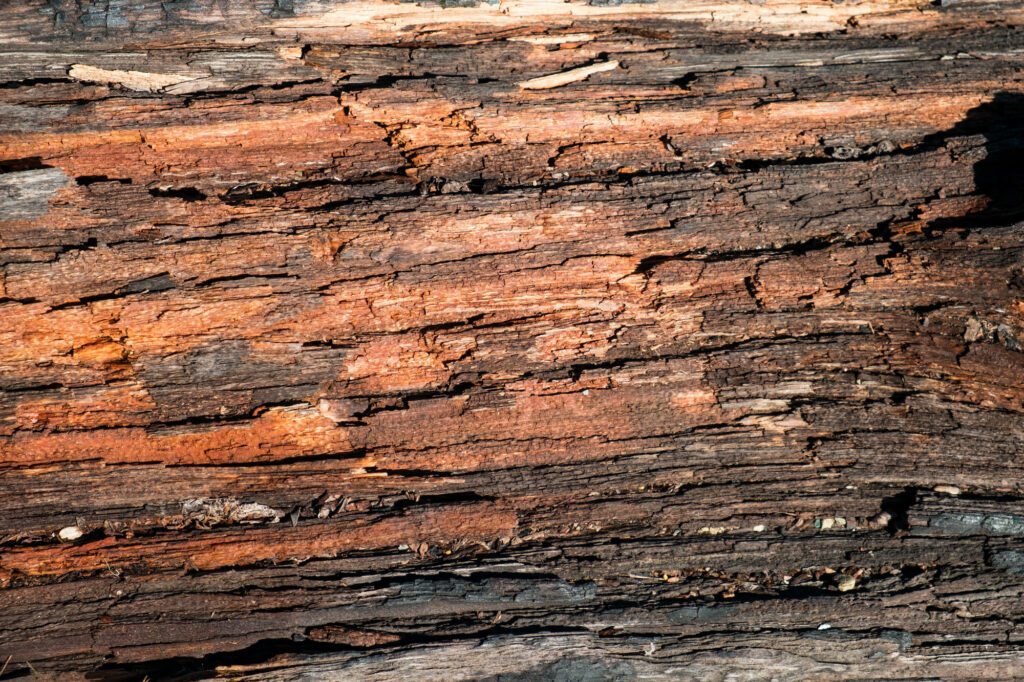
Persistent moisture can cause rafters, beams, and decking to deteriorate over time. This weakens the roof structure, potentially leading to costly repairs or even failures in extreme cases. Proper attic ventilation and moisture barriers help prevent condensation buildup that accelerates wood rot.
Insulation Damage and Energy Loss
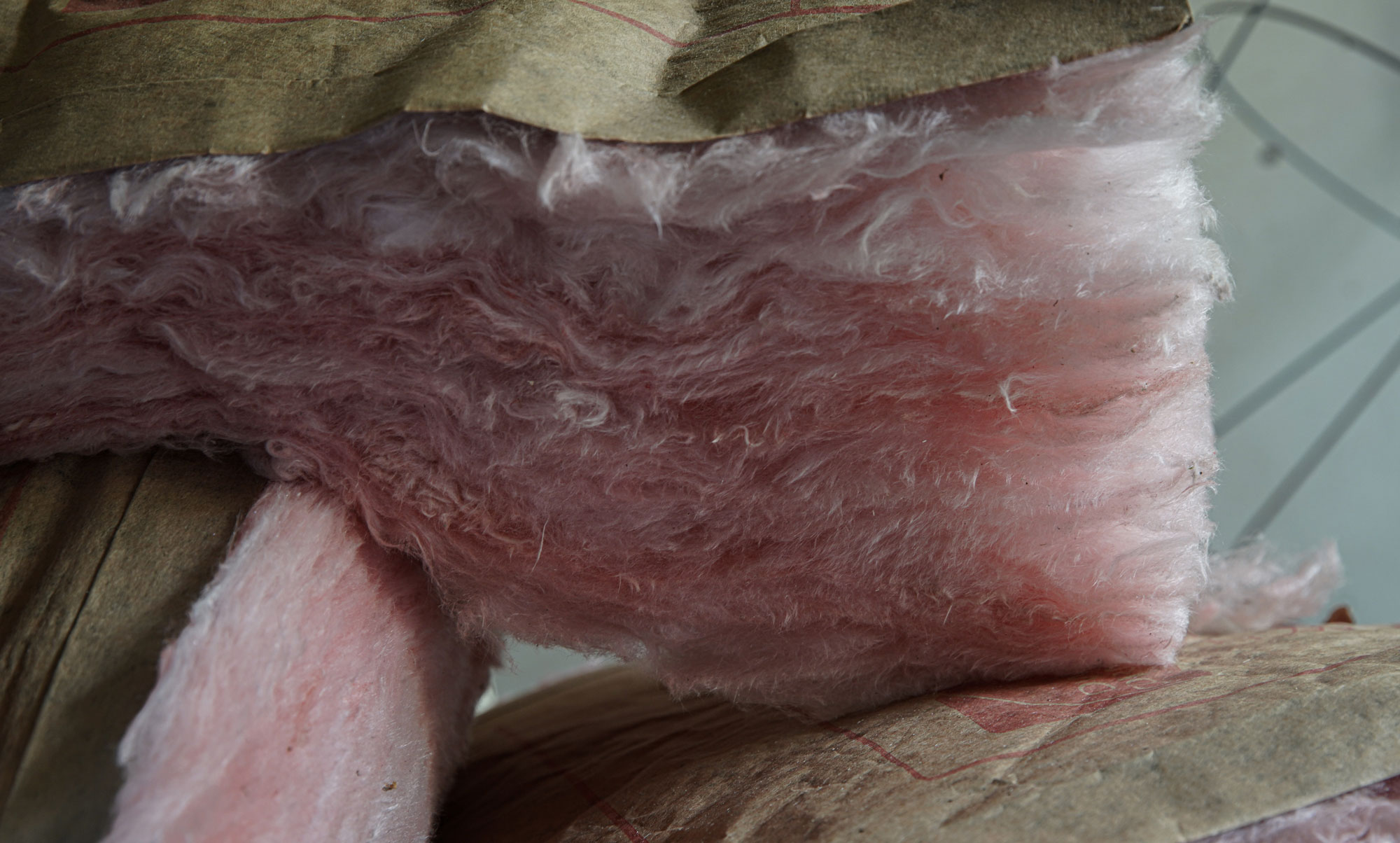
Damp insulation loses effectiveness, reducing your home’s energy efficiency. Wet insulation can also harbor mold, worsening air quality and increasing heating and cooling costs. When insulation is compromised, your home becomes less capable of retaining heat in the winter and staying cool in the summer, leading to higher energy bills.
Ice Dams and Roof Damage
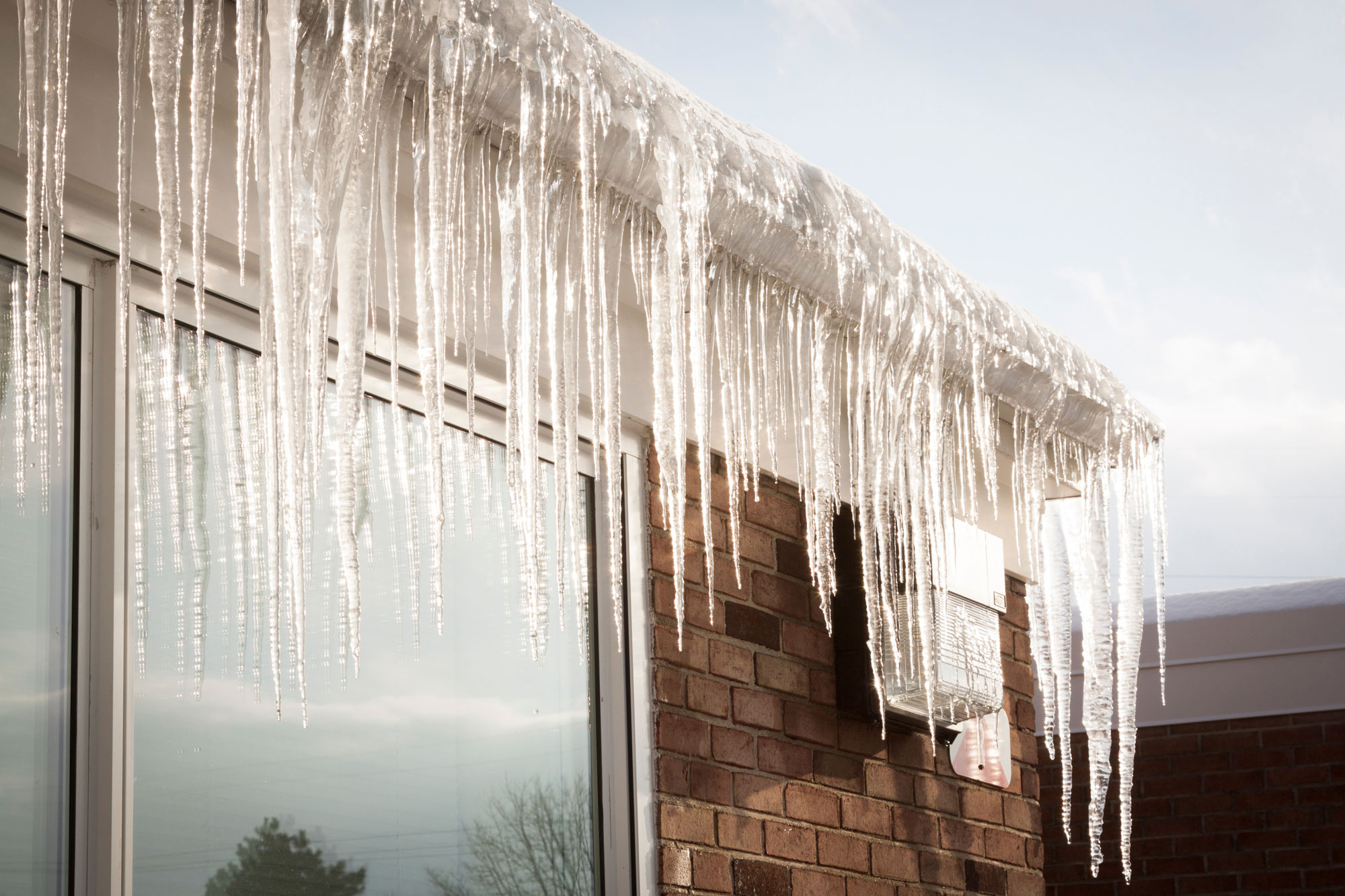
In colder climates, trapped attic moisture can contribute to ice dams—ridges of ice that prevent proper drainage and lead to leaks, shingle damage, and costly repairs. Poor insulation and ventilation allow warm air to rise into the attic, melting snow on the roof, which then refreezes at the eaves, causing damage over time.