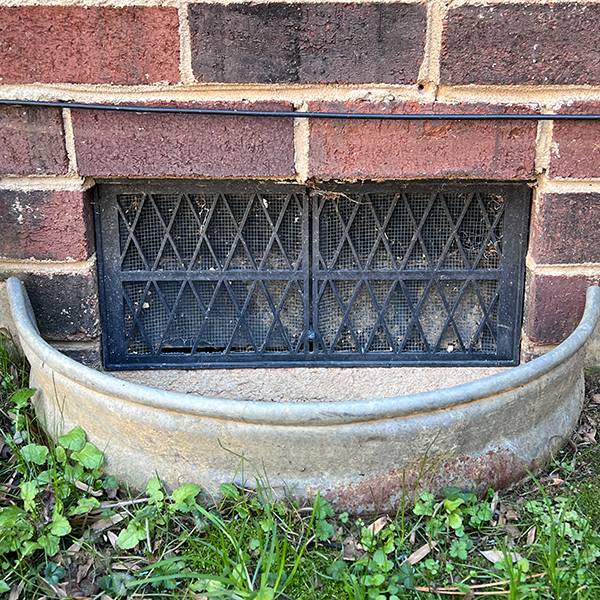
Moisture can enter a crawl space from several sources, including the ground, outside air, plumbing or drainage problems, and other forms of bulk water intrusion.
Once moisture enters the crawl space, it does not necessarily remain evenly distributed. Air movement, temperature differences, building materials, and physical obstructions can cause moisture to migrate or remain concentrated in certain areas.
Understanding where moisture comes from is the first step toward controlling it effectively.
Ground Moisture and Evaporation
One major source of crawl space moisture is the soil beneath the home. Moisture contained in the ground continuously evaporates upward as water vapor. When exposed soil is not covered by an effective ground vapor barrier, that moisture can enter the crawl space air and increase the overall moisture load. Ground moisture can remain a source of water vapor even when there is no visible standing water in the crawl space.
A ground vapor barrier helps reduce evaporation from the soil and limits the amount of moisture entering the crawl space from below.
Outside Air and Crawl Space Moisture
Outside air always contains some amount of water vapor. Whether that air helps or hurts crawl space conditions depends on its temperature and moisture content compared with conditions inside the crawl space.
During warm, humid weather, outside air entering a cooler crawl space can raise moisture levels and create conditions where condensation becomes more likely. At other times, outside air may contain less moisture than crawl space air and can support drying. For this reason, outside air should not automatically be viewed as either a moisture problem. Its effect depends on environmental conditions at the time it enters the crawl space and is often an efficiency and effective drying method for a crawl space.
Bulk Water, Drainage, and Leaks
Water can enter a crawl space through several pathways.
These may include:
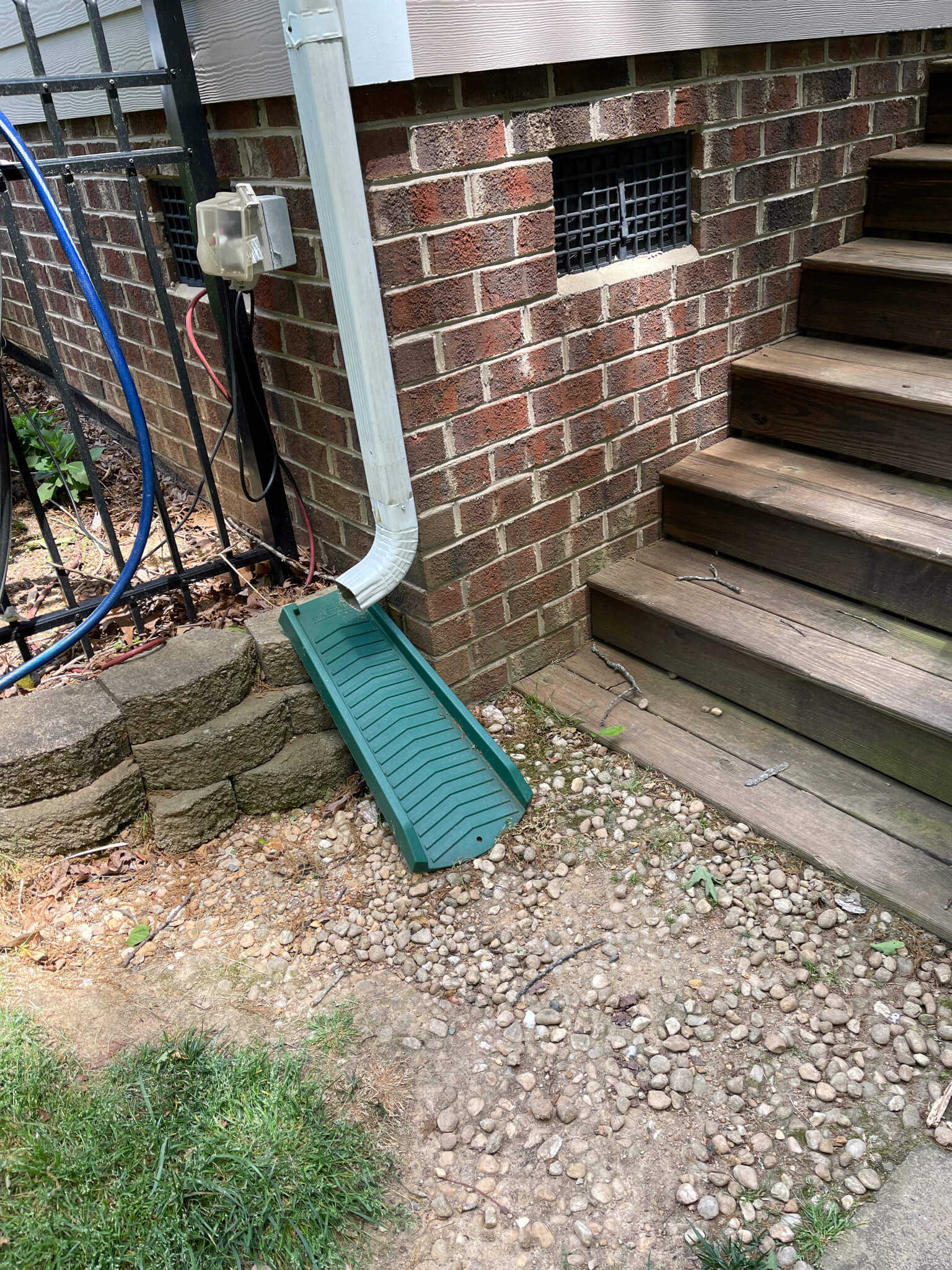
- poor exterior drainage
- improper grading
- foundation openings
- plumbing leaks
- surface water
- roof or gutter drainage problems
- other water entry points
Once liquid water enters the crawl space, some of that water evaporates and becomes part of the moisture load in the air. Bulk water problems should therefore be addressed before relying on ventilation, circulation, or dehumidification to control crawl space moisture. However, where liquid water remains, moisture continues to be added to the crawl space environment.
Why Moisture Is Not Evenly Distributed in a Crawl Space
Crawl spaces are rarely open, uniform environments. Piers, foundation walls, ductwork, plumbing, insulation, narrow sections, elevation changes, and low-clearance areas can all affect how air moves through the space.
Temperature can also vary from one part of a crawl space to another. The ground may be cooler than the surrounding air. Pipes, ductwork, foundation surfaces, or areas near doors and openings may also have different surface temperatures.
These differences matter because cooler surfaces can reach condensation conditions before warmer areas of the crawl space. Without intentional air circulation, stagnant pockets can also develop in areas where air movement is restricted. Moisture can remain in these areas even while other portions of the crawl space appear drier. This is why measuring one location or simply moving air near one piece of equipment may not represent conditions throughout the entire crawl space.
Understanding the Moisture Source Comes First
Moisture control equipment cannot correct an ongoing source of liquid water. Before determining how a crawl space should be ventilated, dehumidified, or circulated, the source of the water should first be identified and remediated.
The basic process begins by:
- addressing bulk water
- reducing ground moisture
- establishing control over uncontrolled outside air
- determining how remaining moisture should be reduced and moved through the crawl space
Understanding how moisture enters the crawl space makes it possible to choose the appropriate strategy for controlling it.
Frequently Asked Questions
Where does crawl space moisture come from?
Common sources include ground evaporation, outside air, plumbing leaks, drainage problems, surface water, and other forms of bulk water intrusion.
Can outside air add moisture to a crawl space?
Yes. Warm, moisture-laden outside air entering a cooler crawl space can increase moisture levels and may contribute to condensation.
Can outside air ever help dry a crawl space?
Yes. When outside air contains less moisture than crawl space air and environmental conditions support drying, ventilation can be an effective tool for drying a crawl space.
Why can one part of a crawl space be wetter than another?
Temperature differences, obstructions, limited circulation, ductwork, piers, insulation, and the location of moisture sources can create different conditions within the same crawl space.