

You haven’t seen rain in days or even weeks but your crawl space still feels damp, musty, or humid. If there’s no visible water, what’s causing the moisture? The answers often surprise homeowners: it’s not just about water intrusion. It’s about moisture and specifically, how temperature, humidity, and dew point affect the crawl space. Understanding the difference between a water problem and a moisture problem is key to keeping your crawl space dry and healthy.
Water Intrusion vs. Moisture
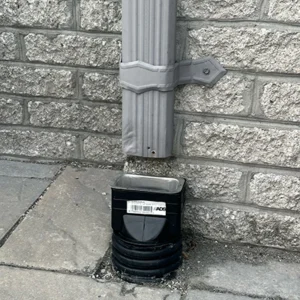
To effectively solve crawl space problems, it’s important to first understand whether you’re dealing with a water intrusion issue or a moisture issue because they require very different solutions. Water intrusion refers to the presence of water entering the crawl space, often from outside sources like clogged or misdirected gutters, poor grading that slopes toward the foundation, or cracked foundations. These problems can usually be addressed with drainage improvements, sump pumps, or waterproofing exterior walls along with the remediation of water. The goal is to prevent the water from entering into the crawl space in the first place.
However, it’s not always obvious when water is entering the crawl space. Sometimes these issues happen slowly or intermittently — like a downspout that floods one corner during heavy rain, or a small plumbing leak that soaks insulation over time. Left unchecked, even minor water intrusion can turn into a major moisture problem. That’s why it’s important to inspect the space carefully and regularly. If you’re seeing standing water, muddy soil, or visible leaks, it might be a water issue. If the space seems consistently damp, smells musty, or has visible condensation and mold especially when it hasn’t rained you may be dealing with elevated moisture levels.
The Hidden Causes of Moisture
Most people think of rain or puddles when they hear “wet crawl space,” but one of the biggest sources of moisture is actually condensation and that comes from how air behaves, not from water intrusion. To understand why your crawl space can be damp even when it’s dry outside, you have to understand dew point.
What is dew point?
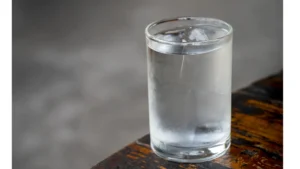
In simple terms, the dew point is the temperature at which the air becomes so full of water vapor that it can’t hold any more — so the moisture in the air turns into liquid water (condensation). If you’ve ever seen condensation form on a cold drink on a hot day, that’s dew point.
Now, let’s compare dew point to humidity.
-
Humidity (or relative humidity) tells you how full the air is with moisture compared to how much it could hold at a certain temperature.
-
Dew point tells you the exact temperature at which that moisture will turn into water — and that’s really important when addressing moisture in crawl spaces.
For example, air at 85% humidity sounds concerning but if it’s warm, that moisture may stay suspended in the air. If that same air moves is in a cooler space (like your crawl space) and cools down to its dew point, that’s when condensation happens — on joists, insulation, HVAC ducts, and even vapor barriers. That creates an ideal environment for mold, wood rot, and other moisture damage. This is why dew point is a better indicator of moisture risk than humidity alone.
Other Causes of Crawl Space Moisture
Rain and water intrusion are obvious culprits, but they’re not the only reasons crawl spaces might be wet. Even with no standing water present, a variety of other conditions can raise humidity and can lead to moisture problems:
- Outdoor Air Entering a Cooler Crawl Space
When warm, humid air from outside enters a cooler crawl space either through open vents, loose access doors, or air leaks, condensation forms as the air cools to its dew point. This is especially common in the summer when outside humidity is high and the crawl space is still cool. That moisture collects on wood surfaces, ductwork, and insulation. - Poor or Inconsistent Air Movement
Stagnant air means moisture can collect and linger in certain areas of the crawl space. Without proper airflow, even minor condensation becomes a can become problem. Moisture may build up in one section of the crawl space while the rest appears dry. - Inadequate Vapor Barrier or No Barrier at All
The ground naturally holds moisture. Even if there’s no standing water, water vapor rises from the soil and adds to the humidity in your crawl space. If a vapor barrier is missing, torn, or poorly installed, that moisture enters the air and drives up the overall dew point. A properly installed vapor barrier is essential for reducing ground moisture. - HVAC Systems and Ductwork in the Crawl Space
Cool air leaking out of the ducts in the summer can cause surrounding humid air to condense. - Seasonal Changes and Inconsistent Weather
As outside temperatures swing from hot to cool – dew point conditions can change daily. These swings create periods of condensation risk even without any rainfall.
Signs of Moisture
Just because there’s no puddle doesn’t mean there’s no problem. Moisture damage builds over time and often goes unnoticed until it causes visible symptoms. Here are some common signs of moisture in a crawl space, even when you don’t see water:
1. Musty or Damp Odors
That “basement smell” is a key red flag. If the crawl space smells musty, it’s likely because of high humidity and microbial growth like mold or mildew. These odors often travel up into the living space, affecting indoor air quality.
2. Mold or Mildew on Joists and Insulation
Mold doesn’t require standing water – just enough humidity for condensation. If you see fungal growth on wood, insulation, or HVAC ducts, moisture levels are most likely high.
3. Wood Rot or Rusting Metal
Wood that feels soft or crumbly, or metal components that are rusting, are signs of long-term exposure to high moisture. This kind of damage compromises the structural integrity of your home and should be addressed immediately.
4. Sagging or Damp Insulation
Fiberglass insulation can absorb moisture from the air, especially when humidity is high. Over time, it begins to sag, fall, or even grow mold.
5. High Humidity Readings
High levels of humidity over time can lead to moisture related issues.
6. Condensation on HVAC Ducts or Pipes
Moisture forming on cooler surfaces like ducts or plumbing is one of the most direct signs of a dew point issue. These small droplets add up and contribute to the overall dampness in the space.
7. Insect or Pest Activity
Moist environments attract pests. If you’re seeing an increase in pests, it may be due to elevated humidity.
What is Happening in My Crawl Space?
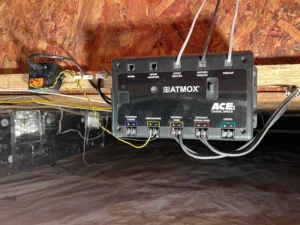
Want to learn more about what’s really happening in your crawl space and how ATMOX can help? Visit atmox.com to explore an intelligent system that responds to real-time conditions and helps prevent moisture problems before they start.
