
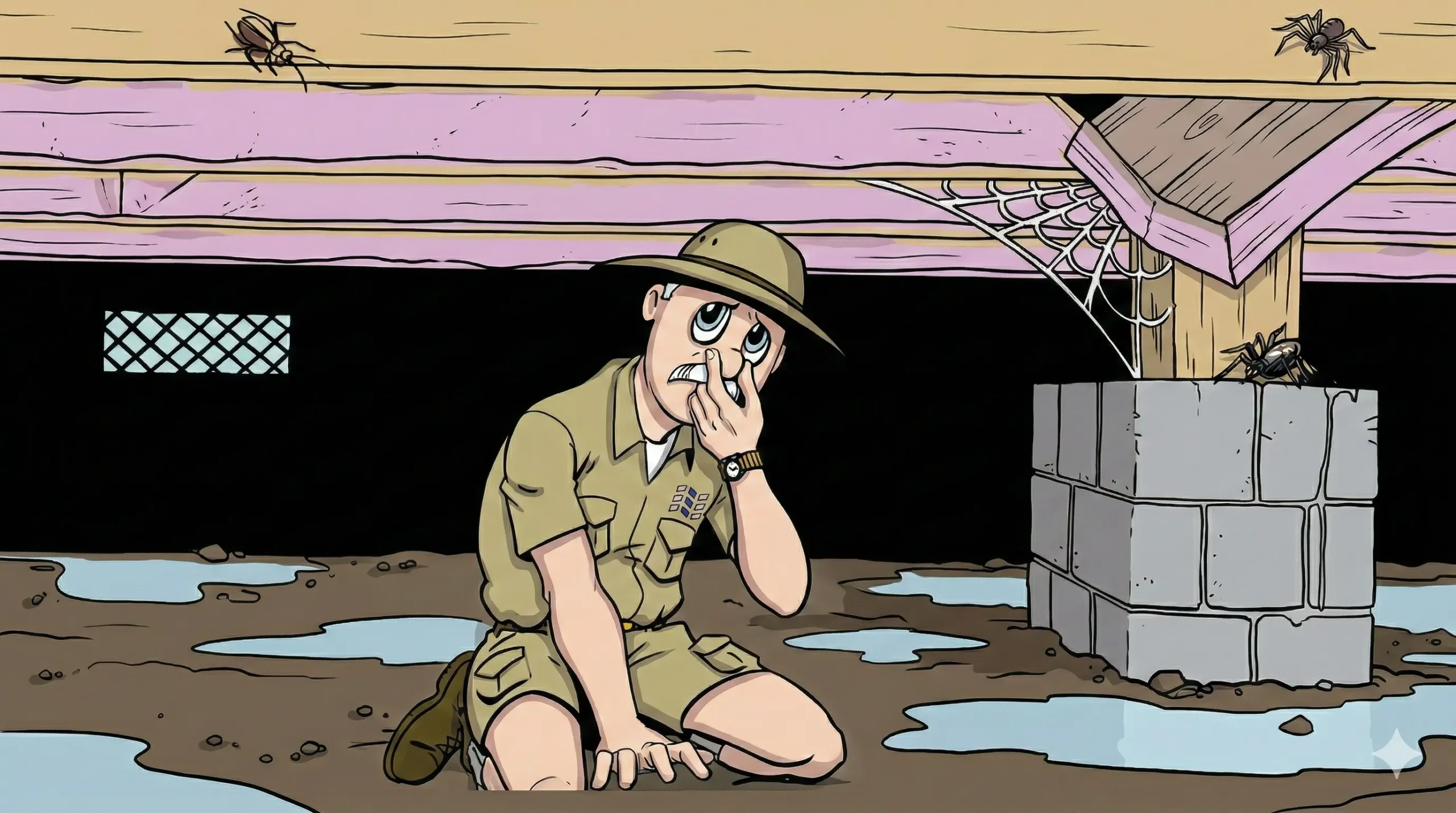
Moisture in the crawl space can lead to more than just problems below the home. It can affect the air inside the home, the condition of wood materials, and even the flooring above. Since the crawl space is connected to the home, excess moisture underneath should never be ignored.
Many homeowners do not realize that what is happening in the crawl space can have a direct impact on the rooms above it. Damp conditions below the home can contribute to musty odors, poor air quality, and long-term moisture-related damage. Over time, that moisture can begin to affect the comfort, health, and performance of the home itself.
That is why crawl space moisture control matters. It is not just about the space below the house. It is about helping protect the people and the home above it.
Your Crawl Space Is More Connected to Your Home Than You May Think
A crawl space is not a separate environment that has no effect on the rest of the house. Air moves through a home, and that movement matters.
One of the reasons crawl space conditions can affect the living space above is something called the stack effect. Warm air naturally rises. As air moves upward and escapes through the upper parts of the home, it pulls replacement air from lower areas. In a home with a crawl space, that lower air often comes from the crawl space itself.
That means damp crawl space air can be drawn upward into the house. If the crawl space is humid, stale, or musty, some of that air and moisture can move up through the home over time.
This is one of the main reasons crawl space moisture should not be viewed as isolated. Even though the problem begins below the home, the effects may be noticed where people are living every day.
Moisture Below the Home Can Affect the Air Above It
A musty smell inside the home is often one of the first signs that the crawl space may have a moisture problem. Homeowners sometimes notice it after heavy rain, during humid weather, or when the seasons change. In other cases, the house just begins to feel damp or stale without an obvious reason.
That can happen because moisture changes the condition of the air in the crawl space. When the air underneath the house stays damp, it does not simply remain trapped there. Because of stack effect and normal air movement, that air can make its way upward into the living space.
This can affect indoor air quality and overall comfort. The home may smell less fresh. Rooms may feel heavier or more humid. People may notice that something just feels off even though the problem is not immediately visible. Without an actual exchange of air within the crawl space, this musty air can make its way to the living space.
For that reason, crawl space moisture control is not only about protecting materials below the home. It also plays an important role in helping support a healthier and more comfortable indoor environment.
Flooring Changes Can Be a Sign of Crawl Space Moisture
Flooring problems are another common sign that crawl space moisture may be affecting the home above.
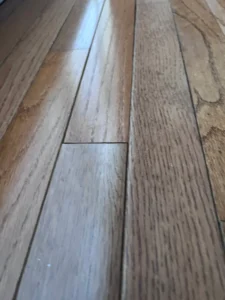
Wood materials respond to moisture. When moisture levels stay too high below the house, that can eventually affect the subfloor and the flooring installed above it. In some homes, this may show up as cupping, warping, movement, squeaks, or a floor that just does not feel as solid as it once did.
Sometimes these signs start small. A homeowner may notice a slight change in how the floor looks or feels. There may be a spot that seems softer, uneven, or more reactive to seasonal changes. Those signs are easy to dismiss at first, but they can point back to moisture conditions underneath the home.
The important thing to remember is that these issues often develop gradually. Moisture damage below the home is not always dramatic in the beginning. It may build over time as damp conditions continue.
Damp Structural Wood Can Lead to Bigger Problems
The crawl space also contains important structural materials that support the home above. Joists, beams, and subfloor materials can all be affected when moisture remains high for long periods.
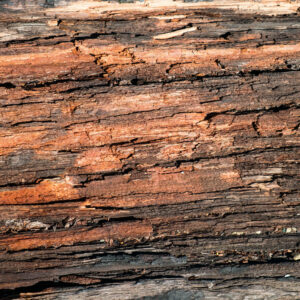
When wood stays damp, it becomes more vulnerable to fungal growth and deterioration. Homeowners may see discoloration on joists or subfloor materials, or they may notice that wood surfaces look like they have been exposed to excess moisture for too long.
Even when the damage is not severe, consistently damp wood is a sign that conditions under the home are not where they should be. Moisture should not be allowed to linger around the materials that help support the house.
This is another reason crawl space moisture control should be taken seriously. The crawl space is not just empty space. It contains materials that directly affect the strength and condition of the home above.
Moisture Problems Are Not Always Even Throughout the Crawl Space
One thing that makes crawl space moisture more difficult than many people expect is that it is not always evenly distributed.
Some areas of the crawl space may dry faster than others. Corners, low spots and areas with less air movement can stay damp longer. One part of the crawl space may look fine while another is still holding moisture.
This is important because a crawl space should be looked at as a whole environment. A dry-looking area in one section does not always mean the entire crawl space is under control.
That matters for the home above too. If moisture remains trapped in certain sections of the crawl space, those damp conditions can still contribute to odors, wood issues, and poor air moving upward into the home.
Why the Whole Crawl Space Matters
When people talk about controlling crawl space moisture, the conversation often becomes too narrow, but the bigger issue is whether moisture is being addressed throughout the crawl space as a complete system.
The goal should not just be to improve conditions near one spot. The goal should be to help control moisture throughout the crawl space so damp air and lingering moisture are not left behind in the edges, corners, and harder-to-reach areas.
That is especially important because the effects of crawl space moisture are not limited to what can be seen below the home. Once moisture begins affecting air quality, wood materials, or flooring, the homeowner is dealing with a whole-home problem.
Signs the Crawl Space May Be Affecting the Home Above
Some common signs include:
-
Musty odors inside the home
-
Air that feels damp, stale, or less fresh
-
Floors that feel uneven or slightly warped
-
Visible discoloration or fungal growth on crawl space wood
-
Damp or sagging insulation
These signs should not be ignored. Even if the problem seems minor, they may point to moisture conditions that are affecting more than just the crawl space.
Crawl space moisture does not always stay where it starts. Damp crawl space air can move upward into the house. Due to long-term moisture exposure, wood materials and flooring above can begin to show signs of trouble. Furthermore, moisture is not always evenly distributed, so the problem may continue in certain areas even when others seem improved.
That is why crawl space moisture control is so important. It is not just about addressing a damp area under the home. It is about helping protect the air quality, building materials, comfort, and condition of the home above it.
