

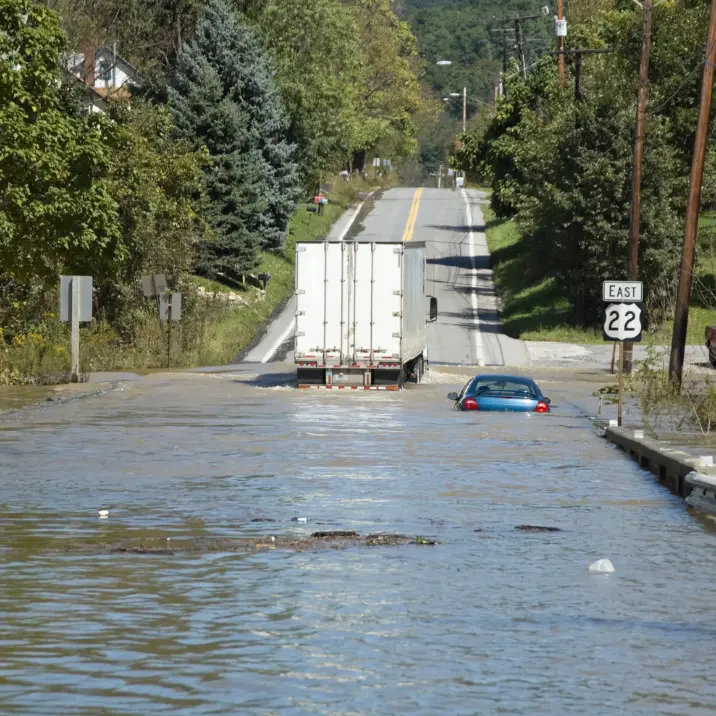
Climate change is a pressing global issue with far-reaching consequences. Its impact on weather pattern changes is becoming increasingly evident across the United States. One notable effect is the increase in heavy rainfall events and flooding incidents in many regions. According to the latest research from government agencies like NASA, NOAA, and the USDA, the primary cause of climate change is the increased concentration of greenhouse gases, such as carbon dioxide and methane, in the Earth’s atmosphere. These gases trap heat from the sun, leading to a rise in global temperatures, which in turn contributes to more moisture in the air and more intense precipitation events.
Changing Climate Zones
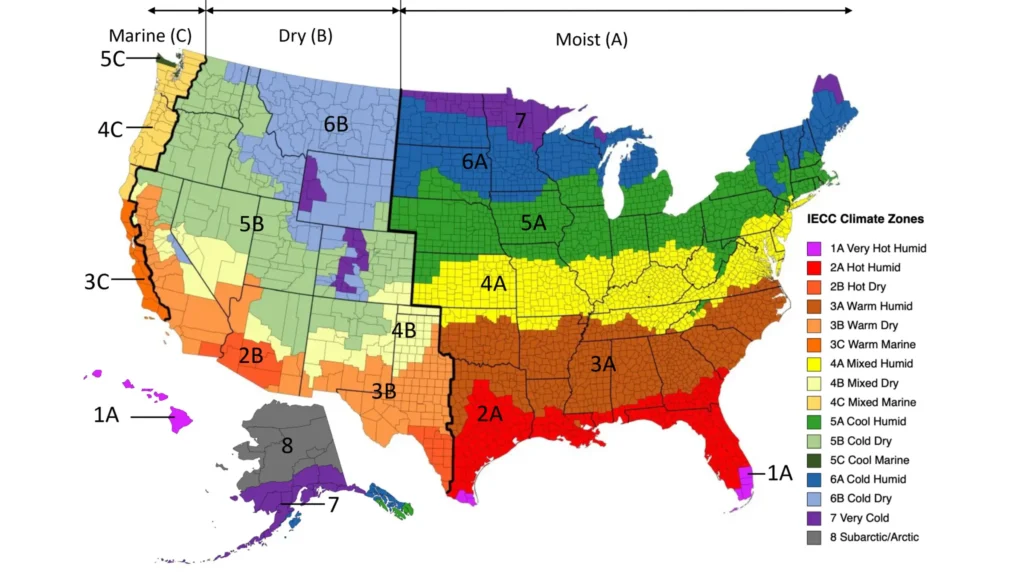
In 2021, the U.S. government adopted the updated climate zone map to reflect the changing temperature and precipitation patterns across the country. This update was necessary as the warmer weather has extended northward. The map reflects this northward expansion of the warmer temperatures.
Rising temperatures have led to an increase in the frequency and intensity of heat waves. Some regions have experienced record-breaking temperatures. These heat waves can pose a threat to your home.
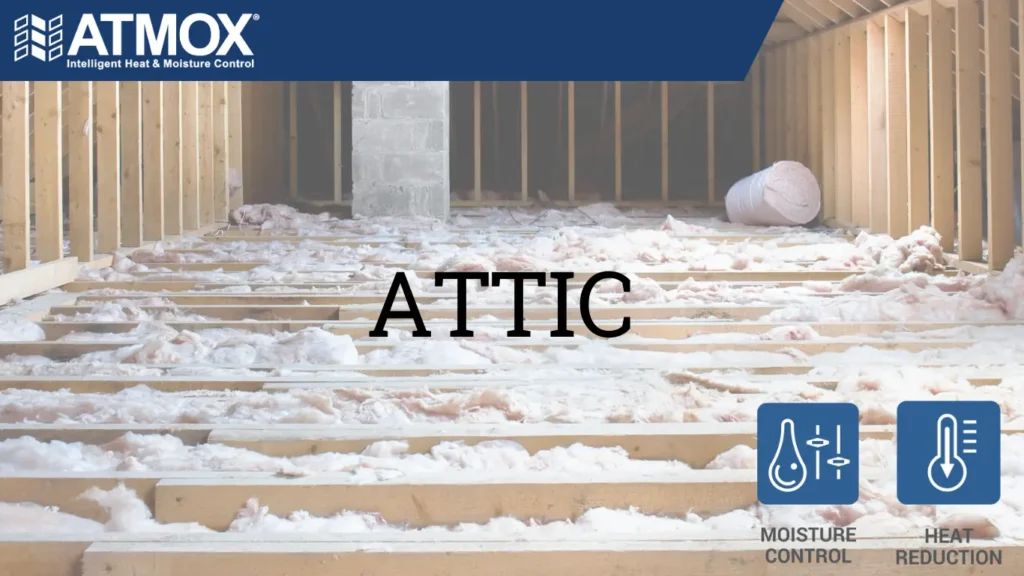
The increase in heat can create issues within your attic space. Hot summer temperatures can cause your attic temperatures to soar to a scorching 150 degrees or higher! The sun’s rays heat up the roof which in turn transfers the heat into the attic space. Subsequently, the house’s framework absorbs this heat transferring it to your living space. This increasing heat creates a heavy workload for the AC unit and is inefficient in energy usage and can decrease the life of the unit itself. You can read more about addressing attic heat here.
Furthermore, summer evening lows are trending higher leading to less cooling in the overnight hours. Higher overnight lows prevent adequate cooling, further taxing AC units.
Weather Impacts
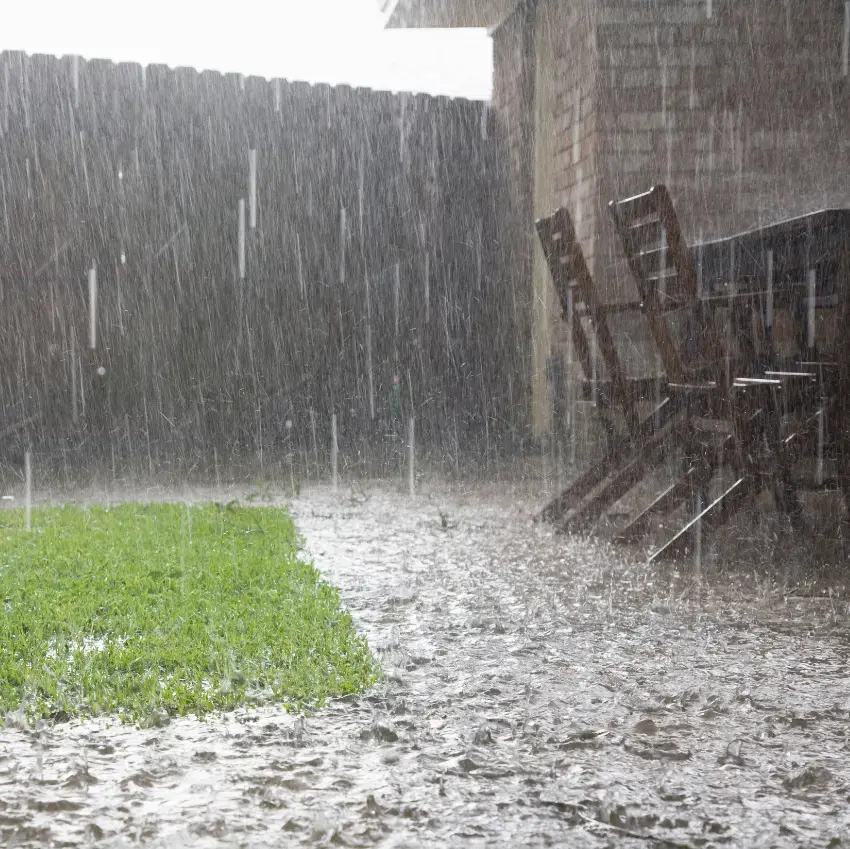
Changing precipitation patterns have also had a significant impact on the United States. According to NOAA, the Southeastern and Northeastern regions of the country have experienced a substantial increase in heavy rainfall events in recent years. These regions have seen more frequent and intense flooding. The combination of higher temperatures and increased outdoor humidity is increasing moisture related issues in crawl spaces. Moisture in the crawl space can lead to mold and wood rot within your crawl space.
Weather Changes Impact on a Home’s Critical Spaces
The changes in weather patterns and climate zones have direct consequences for our homes. Increased moisture levels in the air, more frequent flooding, and shifting soil conditions can all contribute to moisture related issues. Moisture in the crawl space and attic can lead to a host of problems. These issues may include the growth of mold and mildew, the deterioration of structural materials, and the attraction of pests.
These issues not only compromise the integrity of the home but can also have a negative impact on indoor air quality. Taking preventive measures to address heat and moisture issues before they escalate into more expensive problems is crucial. Adopting a proactive stance and implementing mitigation strategies early on can save significant costs and hassles down the line.
Addressing Moisture and Heat
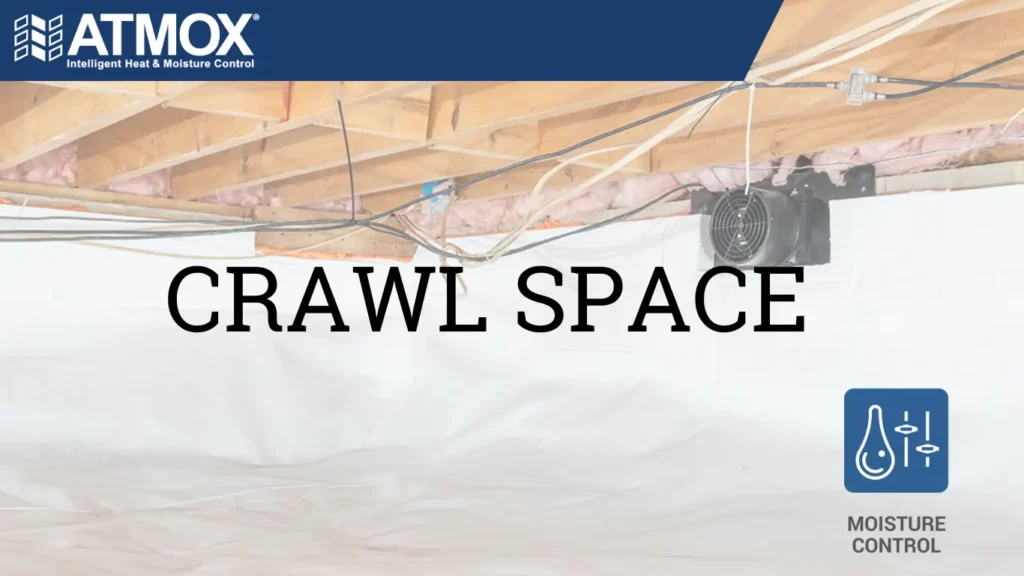
The ATMOX system can help to mitigate the effects of climate and weather change on your home. ATMOX intelligently controls heat and moisture in these critical spaces – the attic and crawl space. The ATMOX system uses advanced technology to monitor and regulate the environment in the crawl space and attic. Furthermore, by actively managing the environments of these critical spaces, ATMOX can help prevent the buildup of moisture and heat and the associated problems. Moreover, ATMOX’s energy efficient design helps to reduce the overall energy consumption of solutions.
Climate change is a complex and multifaceted issue, with far reaching consequences. As the U.S. government updates its climate zone maps to reflect the changing realities, it is crucial that homeowners and contractors take proactive steps to address the challenges posed by these weather changes. By understanding the impacts of climate change on weather and homes, we can work toward mitigating the effects of climate change on our homes and ensure that our homes remain safe, healthy, and comfortable.
