
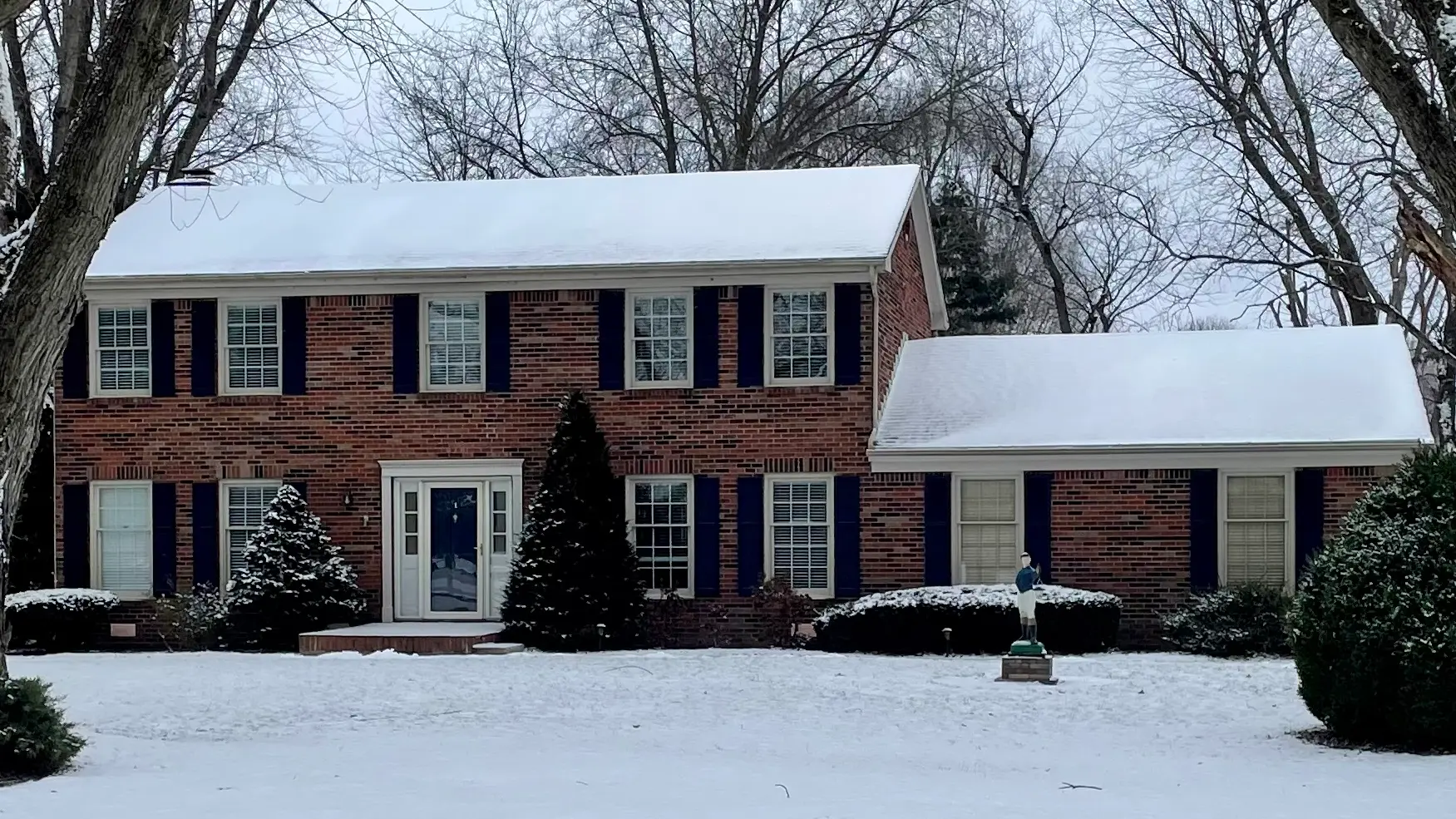
Common myths about attic ventilation often lead homeowners to believe it’s only necessary for heat control in summer. However, moisture is the real concern in the attic. Attic moisture control is one of the most critical yet often overlooked aspects of home maintenance. Many homeowners believe attic ventilation is only essential in the summer to manage heat. In reality, moisture poses a threat especially during the winter.

Without proper ventilation, trapped moisture can lead to mold, wood rot, compromised insulation, and costly repairs. Additionally, issues like ice dams form when attic and roof temperatures are poorly regulated. This creates a perfect storm for water damage. In this post, we’ll explore why year-round attic ventilation is vital, especially during the colder months.
Why Attic Ventilation Matters Year-Round
Proper attic ventilation does much more than keep your home cooler in the summer. Its year-round role is to protect your attic—and ultimately your entire home—from the harmful effects of excess moisture.
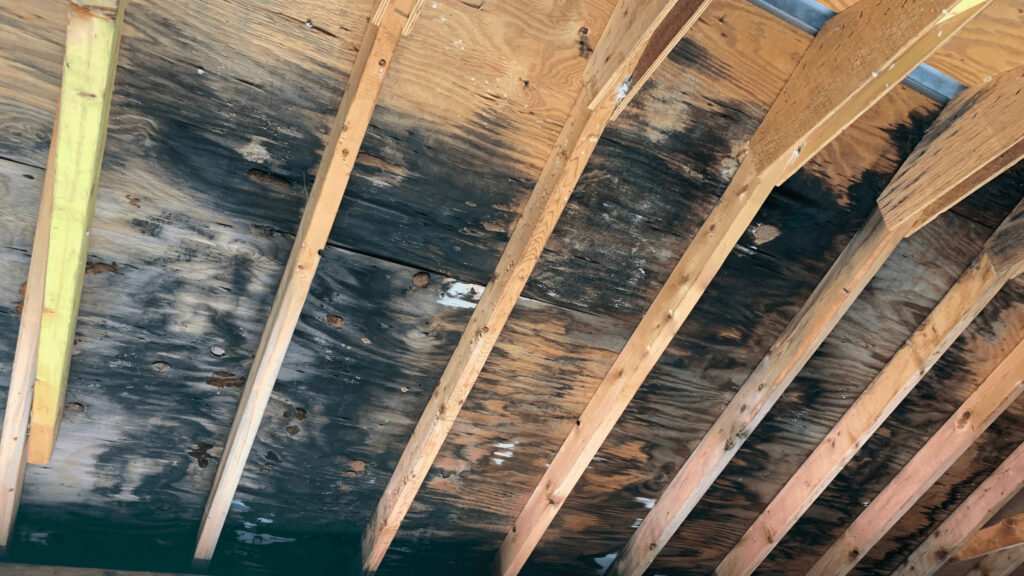
In winter, warm, moist air from the living space below naturally rises into the attic. If this air isn’t vented properly, it condenses on colder surfaces like rafters, and decking, leading to frost formation, mold growth, and even structural damage. Over time, moisture trapped in the attic can also degrade insulation, reducing its ability to retain heat and increasing energy costs.
Common Myths About Attic Ventilation
When it comes to attic ventilation, misconceptions abound. These myths often lead to poor decisions that can compromise your home’s structure, energy efficiency, and air quality. Let’s debunk some of the most common myths about attic ventilation to help you make informed choices.
Myth #1: Attic Ventilation is Only about Heat
Many homeowners believe attic ventilation is solely to combat heat buildup during the summer months. While ventilation does help reduce attic temperatures, it’s equally important in winter. Proper ventilation prevents warm, moist air from the living space below from getting trapped in the attic, where it can condense on cold surfaces. Without ventilation, this trapped moisture can lead to mold, wood rot, and insulation degradation—problems that are just as damaging in the colder months as they are in the heat of summer.
Myth #2: More Ventilation is Better
Adding more vents without understanding airflow dynamics can actually create problems rather than solve them. Effective attic ventilation relies on a balanced system of intake vents (at the soffits) and exhaust vents (at the ridge or gables). Too much ventilation can lead to a pull of air from the living space which is very inefficient for heating and cooling the home. Another common mistake is mixing different ventilation methods, such as combining exhausting at ridge vents with solar fans on the roof. When different ventilation methods are are used together, they can interfere with the airflow and effectiveness of the attic ventilation.
Myth #3: Water in the Attic is a Roofing Issue, Not a Ventilation Problem
While damaged shingles or flashing can cause roof leaks, poor ventilation is often a hidden culprit. Trapped moisture in the attic can mimic the effects of a leak when condensation forms. This water can then saturate the insulation and drip onto ceilings. Additionally, poorly ventilated and overly warm attics can contribute to ice dams, which force water under shingles and into the home.
Myth #4: Ventilating the Attic Will Make My Home Colder in Winter
Proper ventilation serves the important purpose of removing excess moisture from the attic. When designed properly, the ventilation occurs with outside air and should not pull from home to avoid impacting the warmth of your living space. It’s important to have proper sealing and insulation between the living space and attic space to keep warm air from seeping into the attic.
By debunking these myths, homeowners can better understand the vital role of attic ventilation in maintaining a healthy and efficient home—year-round. Proper ventilation isn’t just about keeping the attic dry; it’s about protecting your home’s entire structure and your family’s comfort.
Why Proper Attic Ventilation Matters
Proper attic ventilation is essential for protecting a home’s structure and efficiency, but moisture is the real concern, especially in colder months.
As previously discussed, a well-ventilated attic relies on a balanced system. This airflow removes excess moisture to prevent condensation. However, if ventilation is obstructed, moisture gets trapped, insulation becomes less effective and long-term structural damage can occur. This may occur when there are too few soffits or insulation is blocking the soffits. Insulation blocking soffits is often a common culprit in attic ventilation issues..
Many homeowners assume their attic is dry because they don’t see visible water damage. But moisture problems often develop silently—leading to costly repairs over time. Signs of poor attic ventilation include condensation on rafters, frost on roofing nails, mold growth, or excessive attic heat in summer. These issues can be avoided with the right ventilation strategy designed to control moisture year-round.


Signs of Poor Attic Ventilation in the Winter
Recognizing the warning signs of inadequate attic ventilation in winter can help homeowners prevent costly damage. When moisture gets trapped in the attic due to poor airflow, it leads to a range of problems that can affect the home.
Key signs to watch for:
Excessive Attic Heat in Winter – A well-ventilated attic should stay closer to the outdoor temperature. If your attic feels unusually warm in winter, it may mean that heat from the living space is getting trapped rather than escaping properly, contributing to moisture problems.
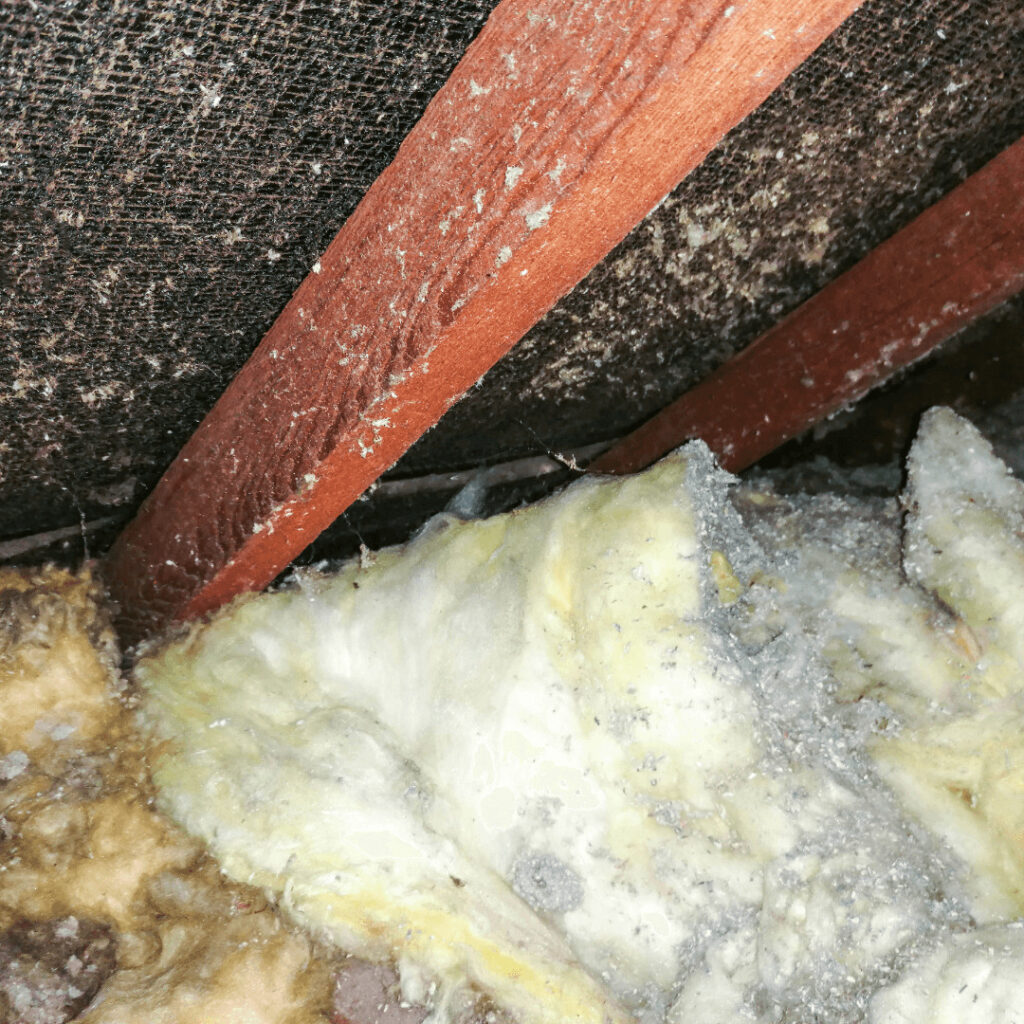
Frost or Condensation on Roofing Nails and Rafters – If you notice frost forming on exposed nails or wooden surfaces inside the attic, it’s a clear indication that warm, humid air from the living space is getting trapped and condensing in the cold attic environment. This moisture can lead to water damage and mold growth.
Mold or Mildew Growth – Mold thrives in damp, stagnant conditions. If you see dark spots or mildew on wood surfaces, insulation, or attic walls, excess moisture is likely accumulating due to insufficient ventilation.
Persistent Musty Odors – A damp, musty smell in the attic or upper levels of the home often indicates trapped moisture. Even if mold isn’t visible, these odors suggest that condensation is lingering and contributing to hidden moisture issues.
Ice Dams on the Roof – Ice dams form when warm air from the attic melts snow on the roof, which then refreezes at the eaves. This cycle prevents proper drainage, leading to water backing up under shingles and entering the home. Ice dams are a strong indicator that attic temperatures are uneven due to poor ventilation and air leaks.
Peeling Paint or Stains on Ceilings – Moisture that collects in the attic can eventually seep down into ceilings and walls, causing paint to bubble or discoloration to appear on interior surfaces. This is often mistaken for a roof leak when the real issue is excess attic moisture.
Intelligent Attic Ventilation
Proper attic ventilation isn’t about constant air movement—it’s about intelligent, responsive ventilation that acts only when conditions are right. The ATMOX system exemplifies this approach by activating when external air conditions benefit moisture drying or heat reduction in your attic. This targeted method not only prevents issues like mold, wood rot, and ice dams but also ensures your insulation remains effective and your energy consumption stays low. By debunking common myths about attic ventilation and embracing smart solutions, homeowners can better protect their investment year-round. For more expert insights on attic ventilation and home maintenance, visit atmox.com.
