

Excess moisture often leads to mold in crawl space areas, creating problems that homeowners can’t ignore. When wood, insulation, or other materials stay damp, mold spores have the conditions they need to thrive. This damp environment doesn’t just create musty odors it can also lead to wood rot, structural damage, and poor air quality inside your home.
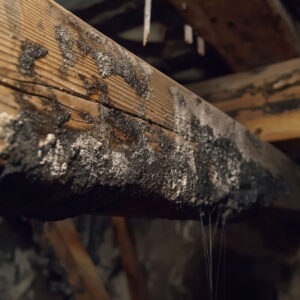 Moisture makes its way into a crawl space in several ways such as ground moisture rising from soil or humid outdoor air entering the crawl space. Once that dampness lingers, mold is the visible result. Left untreated, it can weaken joists, warp floors, and send musty air upward into your living space through the natural stack effect.
Mold remediation can restore a crawl space, but the problem will return if the underlying conditions aren’t addressed. The air in a crawl space can hold a surprising amount of moisture. When the air cools to its dew point, that moisture condenses onto surfaces creating the damp conditions where mold thrives.
Causes of Mold in a Crawl Space
All it takes for mold in crawl space areas to develop is moisture and time. Crawl spaces provide plenty of opportunity for both. Moisture enters from several sources. Ground vapor seeps up from exposed soil or through gaps in a damaged vapor barrier. Outdoor air, especially in the warm season, can carry high levels of humidity that migrate inside. Rainwater flowing toward the foundation or leaking pipes can add water to the mix, which then drives humidity even higher. Once those damp conditions persist, mold spores that are already present in the environment begin to grow.
Just as important as the conditions themselves is the amount of time materials stay damp. Mold doesn’t appear overnight it develops when wood and other surfaces remain above a safe moisture content for days at a time. The longer the exposure, the greater the risk. Tools like the Dew Point Calculator show how quickly mold can form under certain temperature and humidity levels, helping to illustrate how a crawl space that sits damp for days or weeks becomes the perfect environment for growth.
Water problems vs. moisture problems
It’s important to distinguish between a water issue and a moisture issue. A water problem means water is actively entering the crawl space: standing puddles, foundation seepage, or plumbing leaks. These require direct repairs such as fixing pipes, extending downspouts, or adjusting grading.
A moisture problem is what remains when humidity lingers after water has been present or simply from air and soil vapor in the first place. High relative humidity, condensation on ducts, and wood absorbing dampness are all moisture issues. The two are connected: if you have water, you’ll almost always have moisture. The order of operations matters—fix the water first, then control the moisture.
Why dew point matters more than just humidity
Homeowners often check humidity as a guide, but the dew point is the real key. Dew point is the temperature at which air will leave moisture on a surface. If a duct, pipe, or wood joist is cooler than the air’s dew point, it will condense.
This is why controlled ventilation is such a valuable tool for crawl spaces. When outdoor conditions are favorable—meaning the dew point outside is lower than inside—bringing in that drier air helps remove excess moisture and promotes drying. Intelligent moisture control takes the guesswork out by ventilating only when it improves conditions, creating a healthier, more stable environment below the home.
The Effects of Mold in a Crawl Space
 Mold in a crawl space is more than an unsightly problem. It can release allergens that trigger health issues and create musty odors that rise into the home through the stack effect, where air naturally moves upward from the crawl space into living areas. Structurally, mold often signals damp conditions that can weaken wood through rot, corrode metal components, and leave insulation less effective when it absorbs moisture. Left unaddressed, mold may contribute to poor indoor air quality, structural damage, and an overall decline in the comfort and safety of the home.
Addressing Crawl Space Moisture
After resolving any water intrusion, prevention comes down to steady control of moisture:
- Ground vapor management: Cover the soil with a continuous vapor barrier to decrease ground moisture from entering the crawl space.
- Proper ventilation: Proper ventilation should be based on conditions, not just a calendar or temperature alone. When outside air is beneficial, ventilation becomes an effective drying method.
- Air circulation. Even when average humidity looks okay, corners and dead zones can stay damp. The circulation of air within the crawl space allows for even drying.
- Dehumidification: In climates with prolonged high humidity, a dehumidifier is beneficial to the overall solution.
- Ongoing monitoring: An ATMOX system monitors and controls crawl space conditions day to day. Additionally, it’s important to physically inspect your home on the outside as well. Make sure gutters and downspouts are clear and directing water away, and walk through the crawl space to confirm the vapor barrier, grading, and other details are in good shape.
Frequently asked questions: mold in crawl space
1) What causes mold in a crawl space?
Mold grows when materials stay damp long enough. Common sources include ground vapor from exposed soil, humid outdoor air, bulk water from drainage or leaks, and condensation on cool surfaces.
2) Is mold in the crawl space dangerous?
Persistent moisture can support wood decay (rot) that weakens joists and subflooring, and musty air can move into living spaces. If you see visible growth, hire a qualified remediation pro—then address the moisture so it doesn’t return.
3) What humidity is “safe” for a crawl space?
There is not a specific percentage of humidity that is considered “safe” because humidity is a measurement of the moisture in the air at a given temperature. However, it can be a good indicator of overall crawl space moisture conditions. Humidity can vary by temperature but most healthy crawl spaces will target a range of 55-75% humidity.
5) Can I just remediate the mold and be done?
Remediation removes existing growth but won’t prevent a return if moisture stays high. Long-term success requires controlling the moisture levels of the crawl space.
6) What are early warning signs before mold appears?
Early warning signs of elevated moisture can include musty odors, damp or cool surfaces, rust on metal, efflorescence on masonry, or hardwood floors beginning to cup. While these indicators are important to recognize, the best approach is proactive—reducing and controlling moisture in the crawl space before these issues have a chance to develop.
