

When we think about health and well-being, indoor air quality often takes a backseat to diet and exercise. However, the air we breathe inside our homes plays a pivotal role in our overall health. Understanding what “good air” means, why it matters, and how to achieve it can transform your living environment into a healthier and more comfortable space. According to the EPA, Americans now spend nearly 90% of their time indoors, making indoor air quality a critical concern. In fact, indoor air can be two to five times more polluted than outdoor air. Given the amount of time spent indoors and the potential presence of toxins, it’s essential to be vigilant about maintaining good indoor air quality.
Many common household items and activities can significantly impact the air we breathe indoors. The presence of toxins, volatile organic compounds (VOCs), and emissions from household cleaners, off-gassing of furniture, and building materials are major contributors to indoor air pollution. These pollutants can have serious health consequences, affecting our overall well-being.
Good indoor air quality (IAQ) is characterized by low levels of harmful pollutants, balanced humidity, and a supply of fresh outside air. The EPA defines good IAQ as air that protects against health issues such as respiratory infections, asthma, and allergies. It is important to have low levels of pollutants, appropriate humidity levels, and adequate ventilation to prevent these potential negative health effects.

Health Effects
There is a broad spectrum of health issues that may arise.
These may include but or not limited to:
- Eye irritation
- Headaches
- Dizziness
- Fatique
- Respiratory illnesses
- Heart disease
- Asthma
- Cancer
Your air quality can impact not only you but also more vulnerable individuals. This may include children and those who are particularly susceptible to respiratory illnesses. According to the American Academy of Pediatrics (AAP), children breathe more rapidly than adults and take in more air relative to their body size. Also, their lungs are still developing making them more susceptible to pollutants.
Common Household Sources of Indoor Air Pollution
Good air is a crucial aspect of maintaining a healthy home environment, yet many common household products can unknowingly contribute to indoor air pollution. Understanding these sources and the role of ventilation in mitigating their effects is essential for homeowners aiming to create a healthier living space.
- Air Fresheners and Scented Candles: These products often emit formaldehyde, phthalates, and other VOCs. This can cause headaches and dizziness with prolonged exposure. Using natural freshening methods, such as opening windows, can maintain a healthier indoor environment.
- Paints and DIY Supplies: Paints, varnishes, and adhesives used in home improvement projects release VOCs. Ensuring proper ventilation during use is crucial to minimize indoor pollution.
- Personal Care Products: Items like hairsprays, perfumes, and deodorants contain VOCs that contribute to indoor air pollution. Choosing fragrance-free or natural alternatives can help improve air quality.
- New Furniture and Carpets: These items often off-gas chemicals like formaldehyde, affecting air quality. Allowing new furniture to ventilate before bringing it indoors can reduce exposure. Furthermore, opening windows will help to ventilate the off-gassing chemicals.
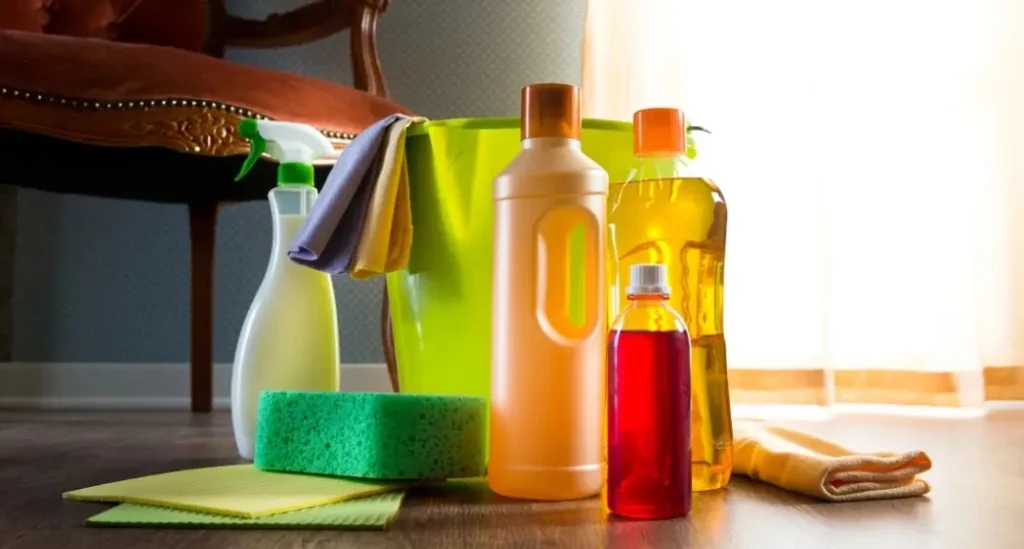
- Cleaning Products: Many cleaning products contain volatile organic compounds (VOCs), ammonia, and chlorine, which can evaporate and lead to respiratory issues and allergic reactions. Opting for natural or eco-friendly alternatives can help reduce these risks and cleaning in a well ventilated area can improve the air.
- Dust mites: Dust mites thrive in humid environments and feed on skin cells in household dust. In order to improve dust mites, vacuum floors and furnishings weekly, wash bedding in hot water, and use allergen-proof mattress and pillow covers.
- Pet dander: Be sure to groom pets regularly. Vacuuming frequently with a HEPA filter vacuum may help to decrease pet dander in your home.
Ventilation
Effective ventilation plays a crucial role in mitigating humidity and improving indoor air quality. According to the National Oceanic and Atmospheric Administration (NOAA), outdoor air is primarily composed of nitrogen (78%), oxygen (20.9%), argon (0.93%), and carbon dioxide (0.04%). The Environmental Protection Agency (EPA) notes that when outdoor air quality deteriorates, it’s typically due to an increase in particulate matter, while the basic composition of oxygen and nitrogen remains relatively constant.
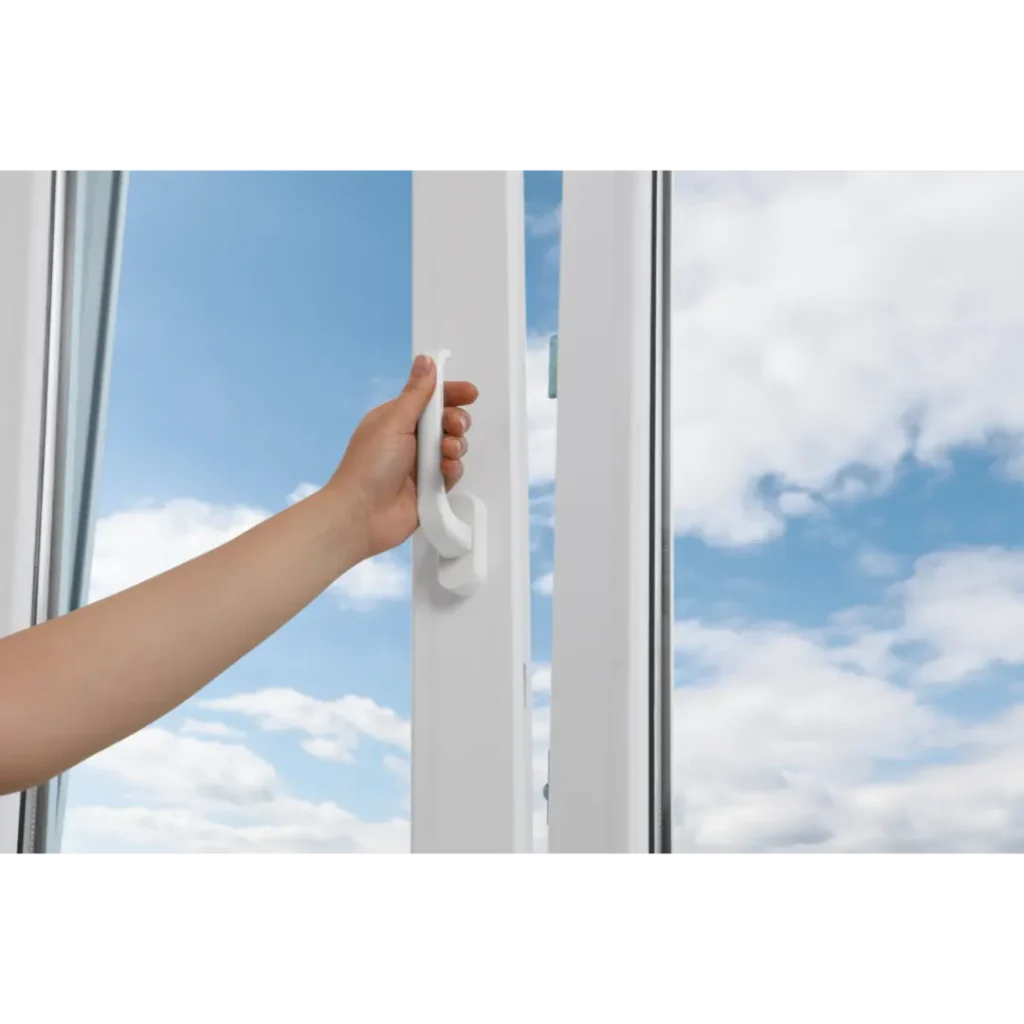
When the air outside is drier than indoor, proper ventilation can help reduce indoor humidity levels by introducing fresher, drier air and expelling moist indoor air. This process, known as air exchange, can be achieved through natural ventilation (opening windows and doors) or mechanical ventilation systems such as exhaust fans. Ventilation is especially effective in controlling humidity in areas prone to moisture buildup, such as bathrooms, kitchens, and laundry rooms.
Implementing a balanced approach that combines proper ventilation with other humidity control methods can significantly improve indoor air quality and create a healthier living environment. This simple act of ventilation can contribute substantially to maintaining a healthier indoor environment and promoting overall well-being.
