

Proper attic ventilation is crucial for maintaining a healthy and energy-efficient home. By addressing common attic ventilation mistakes, homeowners can prevent moisture and heat-related issues that can lead to costly repairs and increased energy bills. Let’s explore proper ventilation and some of the most frequent errors to ensure your attic remains in top condition year-round.

Why Proper Ventilation Matters
Effective attic ventilation is crucial to control heat and moisture in your attic. In hot weather, your attic can accumulate significant heat. This heat can radiate into your living space, making your HVAC system work harder. In colder months, moisture from daily activities such as cooking and showering can seep into the attic, potentially leading to condensation, mold growth, and wood damage. Proper ventilation addresses both heat and moisture, keeping your home energy-efficient and structurally sound.
Common Attic Ventilation Mistakes
Conflicting Ventilation Methods
When designing a proper attic ventilation system, it’s critical to use a single type of ventilation strategy. Airflow must follow a specific pattern, typically moving from a lower point, like the soffit vents or gables, up to a higher point, such as ridge vents. Introducing mixed ventilation methods, such as combining a ridge vent with a roof mounted exhaust fan, disrupts this flow.
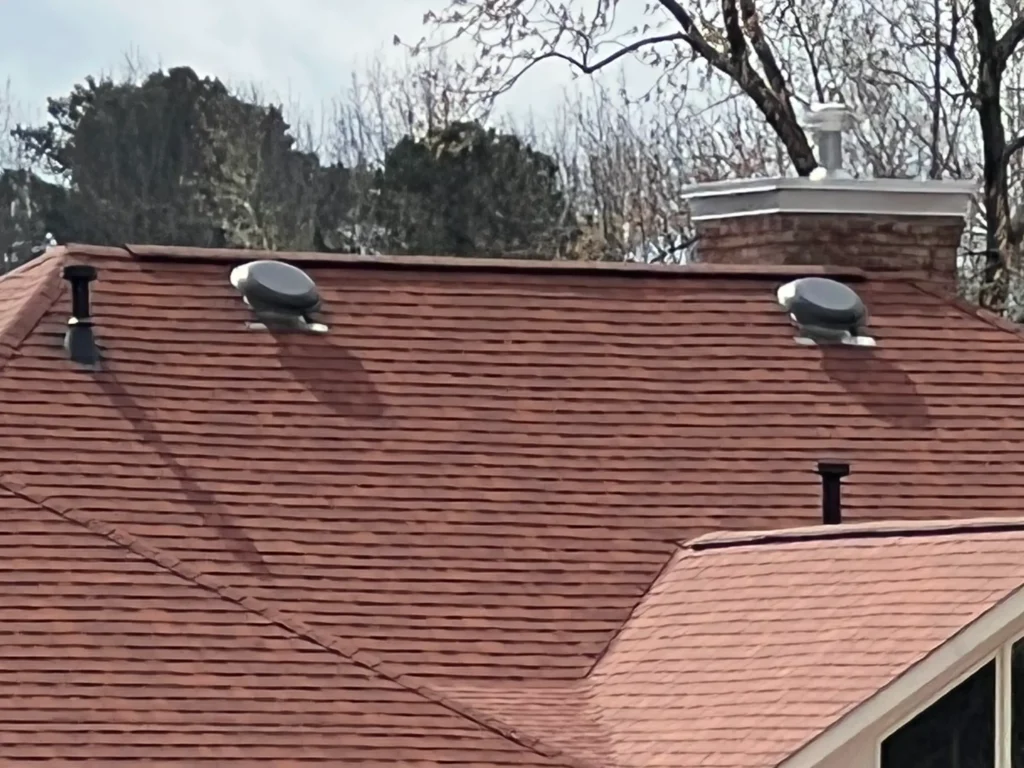
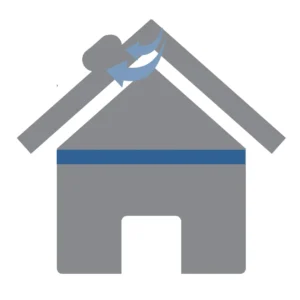
For instance, if a roof fan is placed too close to a ridge vent as seen in the picture above, it can change the direction of airflow. The exhaust fan, which has more pulling power, may begin drawing air directly from the ridge vent.
This creates an unintended consequence: instead of pulling in cooler air from intake points, like the soffits, the fan pulls hot outdoor air through the ridge vent into the attic. As a result, the attic becomes even hotter or moisture builds up, defeating the purpose of ventilation.
Proper Ventilation Techniques
To ventilate your attic effectively, it’s important to balance intake and exhaust airflow. This means ensuring the amount of air coming into the attic through soffit or gable vents is equal to or greater than the air being exhausted. Here’s how to achieve proper ventilation:
Balanced airflow is crucial for effective ventilation. Proper attic ventilation works by having enough intake air to match the exhaust, ensuring that cool air is drawn in through the soffits (low point) and warm air exits at the highest point. Without this balance, you risk drawing air from undesirable locations, such as the living space below, which can compromise indoor comfort and energy efficiency.
Distributed Airflow: Even distribution of airflow throughout the attic space is essential for preventing localized areas of heat or moisture buildup. Attics often have variations in temperature and humidity due to factors like direct sunlight exposure and differing architectural configurations. A well-designed ventilation system should address these variations by ensuring air movement reaches all areas of the attic.
Other Ventilation Mistakes to Avoid
Blocked Soffits
One of the most prevalent issues in attics is blocked soffit vents. These vents, located under the eaves of your roof, are essential for proper air intake. Unfortunately, they’re often inadvertently covered during insulation installation or upgrades. When soffits are blocked, fresh air cannot enter the attic efficiently, disrupting the entire ventilation process.
To avoid this mistake, always check that insulation is not obstructing soffit vents. If you’re adding or upgrading insulation, be mindful of keeping these crucial intake points clear. Proper airflow begins with unobstructed soffits, allowing fresh air to enter the attic space.
Unsealed Gaps and Cracks
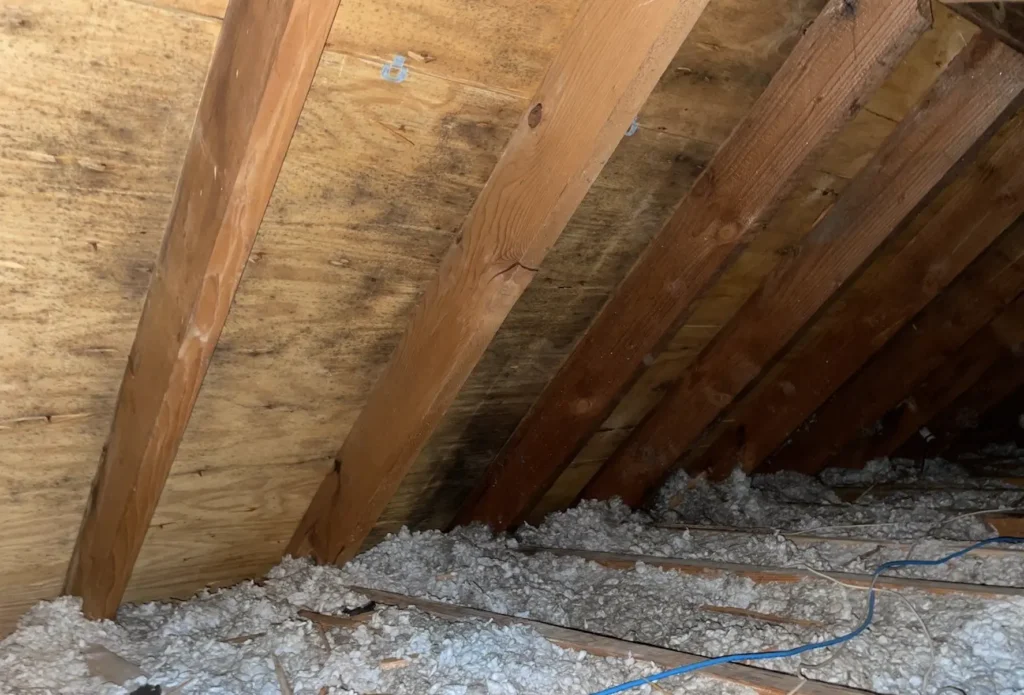
Heat and moisture can easily seep through any cracks or gaps between your living space and attic. These openings not only compromise your home’s energy efficiency but also allow warm, moist air from daily activities to enter the attic. Daily activities such as cooking, showering and laundry all contribute to moisture in the living space. Common areas for air leaks include attic hatches, recessed lighting fixtures, HVAC ducts, pipes, and plumbing vent stacks.
To address this issue, carefully inspect these areas and seal any gaps you find. Different types of sealants may be required depending on the location and size of the leak. If you’re unsure about the appropriate sealant or method, it’s best to consult with a professional to ensure proper sealing.
Improper Exhaust Venting
A surprising number of homes have bathroom and kitchen exhaust fans that vent directly into the attic instead of outside. This common installation mistake can lead to significant moisture problems in your attic space. Exhaust fans are designed to remove moisture from living areas, but when they’re incorrectly vented into the attic, they simply transfer that moisture to the attic.
Ensure all exhaust fans are properly directed to the outside through a roof cap. This simple correction can dramatically reduce moisture levels in your attic and prevent related issues such as mold growth and wood rot.
Inadequate Ventilation
Proper attic ventilation is essential for achieving balanced and distributed airflow throughout the space. Many attics face inadequate ventilation, leading to heat buildup and moisture accumulation, often exacerbated by uneven temperature and humidity levels.
Insulation Issues
Degraded or insufficient insulation can compromise your attic’s ability to maintain proper temperature and moisture levels. Insulation acts as a crucial barrier between your living space and attic, helping to regulate heat transfer and prevent moisture infiltration.
Regularly inspect your attic insulation for signs of degradation or inadequate coverage.
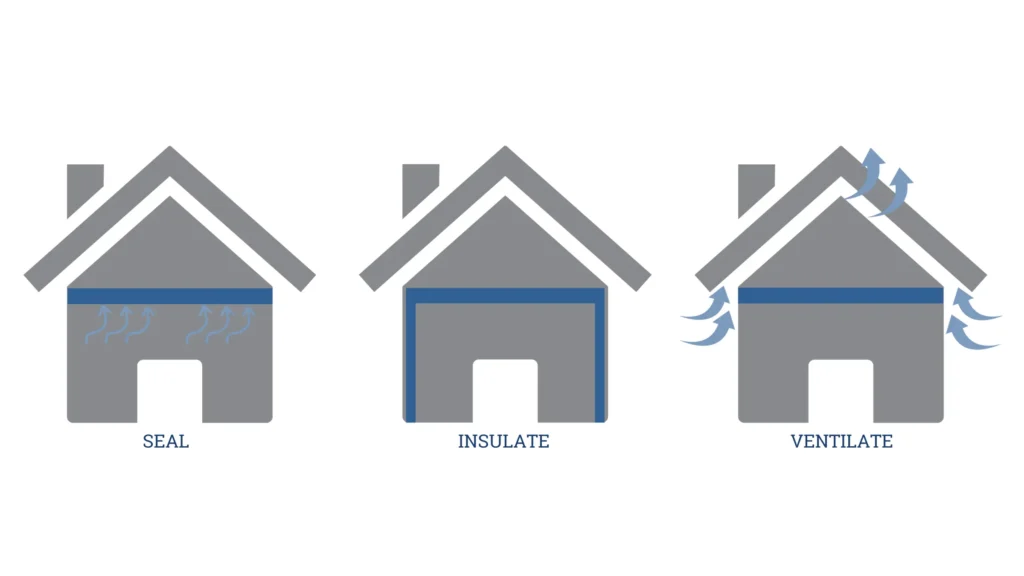
By avoiding common mistakes such as using conflicting ventilation methods, blocked soffits, unsealed gaps, improper exhaust venting, and inadequate ventilation, you can significantly improve your attic’s performance. Stay proactive and address issues promptly to ensure your attic remains a well-functioning part of your home for years to come.
