

ATMOX delivers a system of products that combines controls, sensors, circulation fans, intake/exhaust fans and dehumidifiers to provide a long-term approach to mitigating moisture while optimizing air quality in a home’s crawl space. For installers of ATMOX, a basic understanding of the controller logic functions is essential to ensure the system works effectively. It also helps homeowners better understand the value of the system and its operation.
The key factors in determining operation of the system are dew point, humidity, and temperature. It is important to consider dew point in the equation and not look just at humidity. This is the most misunderstood information in most moisture control solutions. By looking at dew point comparisons before beginning ventilation ensures the air is actually drier outside. Humidity alone can be misleading.
What is Dew Point and Why Does It Matter?
The dew point is the temperature at which air becomes fully saturated with moisture, causing condensation. In a crawl space, this is a crucial metric. When the temperature in the crawl space drops below the dew point, moisture begins to condense, leading to dampness, potential mold growth, and possibly structural damage over time. Think of it like a cold drink— beads of moisture form on its surface of the glass on a warm day. In this case it is harmless water droplets on a glass, but in a crawl space it is potentially damaging moisture – especially over longer periods of time.
In contrast, humidity tells us how much water vapor is in the air relative to how much it could hold at a given temperature. This is why humidity is considered “relative”—it changes with temperature. Warmer air can hold more moisture, so the same amount of water vapor can result in different humidity levels depending on the temperature.
Basic Operation Of ATMOX Crawl Space System
ATMOX controllers are designed to monitor and respond to temperature, relative humidity (rH), and dew point conditions, making intelligent decisions to activate ventilation fans(exhaust/intake fans), circulation fans or dehumidifiers. This all happens automatically once setup. This ensures that operation is always working to create a dry and healthy environment in the crawl space in the most efficient manner possible.
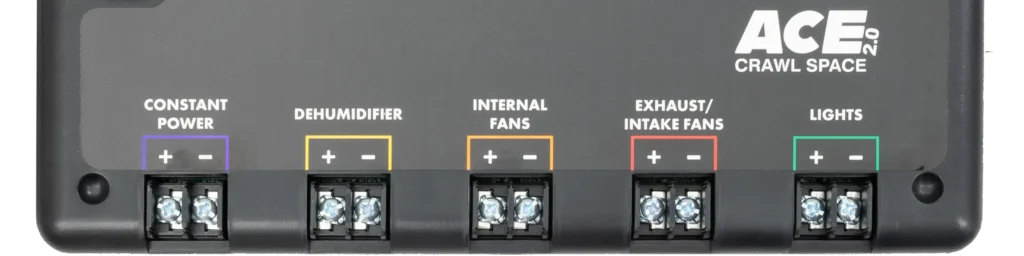
Let’s break down how ATMOX controllers manage operation in default settings for a newly installed crawl space controller:
Ventilation: Exhaust/Intake Fans
Crawl space ventilation with ATMOX allows for targeted air exchange in order to improve the crawl space conditions. Ventilation of the crawl space is used to exchange air when the outside air is beneficial to dry the space or to exhaust air from the space to dispel odors and toxins.
The ATMOX controller is key in using ventilation in an effective manner. The controller uses intelligent technology to determine the operation of the system to improve the conditions of the crawl space.


- Temperature Check: Ventilation (using intake and exhaust fans) is only allowed when the outside temperature is above 45°F. Why? Below this temperature, bringing in outside air could chill the crawl space too much. This is especially important in geographic areas where freezing pipes are a concern.
- Seasonal Mode: The system automatically adjusts between seasonal modes for summer and winter. These modes check on temperature variations to avoid drastic differences in air temperatures being introduced into the crawl space.
- Dew Point Check: Ventilation occurs when the dew point outside is lower (or “better”) than inside by 1° F.
When outside air is a beneficial in drying the crawl space, the ATMOX controller will preference this action for drying over the use of a dehumidifier. This allows for air exchanges to improve air quality. This operation is also much more energy efficient as fans consume a small fraction of the electricity needed to operate a dehumidifier.
Circulation: Internal Fans
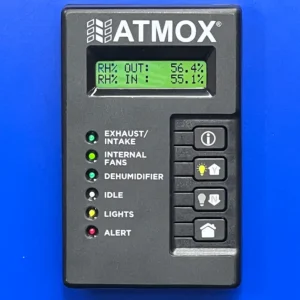
ATMOX internal or circulation fans play a big role too. Circulation fans allow for evenly distributed air throughout the crawl space. Most crawl spaces are not a perfect rectangle. In fact, many have sections or compartments where airflow is minimal. These fans help move air to all corners of the crawl space. By keeping air circulating, the system ensures that moisture doesn’t have a chance to settle in corners or far-reaching areas, helping to maintain an even, dry environment.
Circulation fans run when the ventilation (intake/exhaust) fans are in operation and when the dehumidifier is in operation. Additionally, these fans will operate independently if the relative humidity inside the crawl space rises above 55%. This helps keep the air moving and prevents moisture from settling in one spot. Additionally, it helps to balance temperatures throughout the crawl space to avoid condensation on colder surfaces such as HVAC ducts.
Dehumidification: Dehumidifier
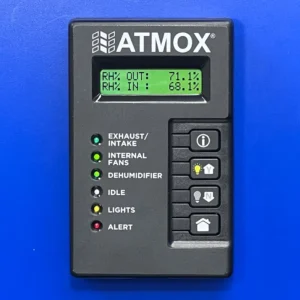
The ATMOX controller also has the ability to control the dehumidifier to make sure it operates efficiently and at optimal times for drying. The dehumidifier operates when the inside rH is above 63% and will run until rH drops below 58%.
Temperature Check: The ATMOX controller keeps dehumidifiers from running outside their operational temperature range. The system only allows the dehumidifier to operate when the inside temperature is above 50°F. Running a dehumidifier at lower temperatures can cause the compressor to freeze, potentially damaging the unit. By keeping the dehumidifier off when it’s too cold, the controller protects and can extend the life of the equipment.
Timing Protocols: When the dehumidifier is in use, the controller ensures it doesn’t “short cycle” (turning on and off rapidly) as it hovers around a targeted humidity level. This helps to maintain the proper humidity level without putting unnecessary strain on the unit.
Summary
- Ventilation when outside dew point is lower than inside dew point by 1° F.
- Circulation when ventilation or dehumidification active and when inside rH above 55%.
- Dehumidification when inside rH above 63% until below 58%.
By knowing the basic logic behind these operating decisions made by the ATMOX crawl space system, installers can explain the system’s behavior to homeowners, and ensure that the crawl space remains dry and protected from moisture-related damage.

